
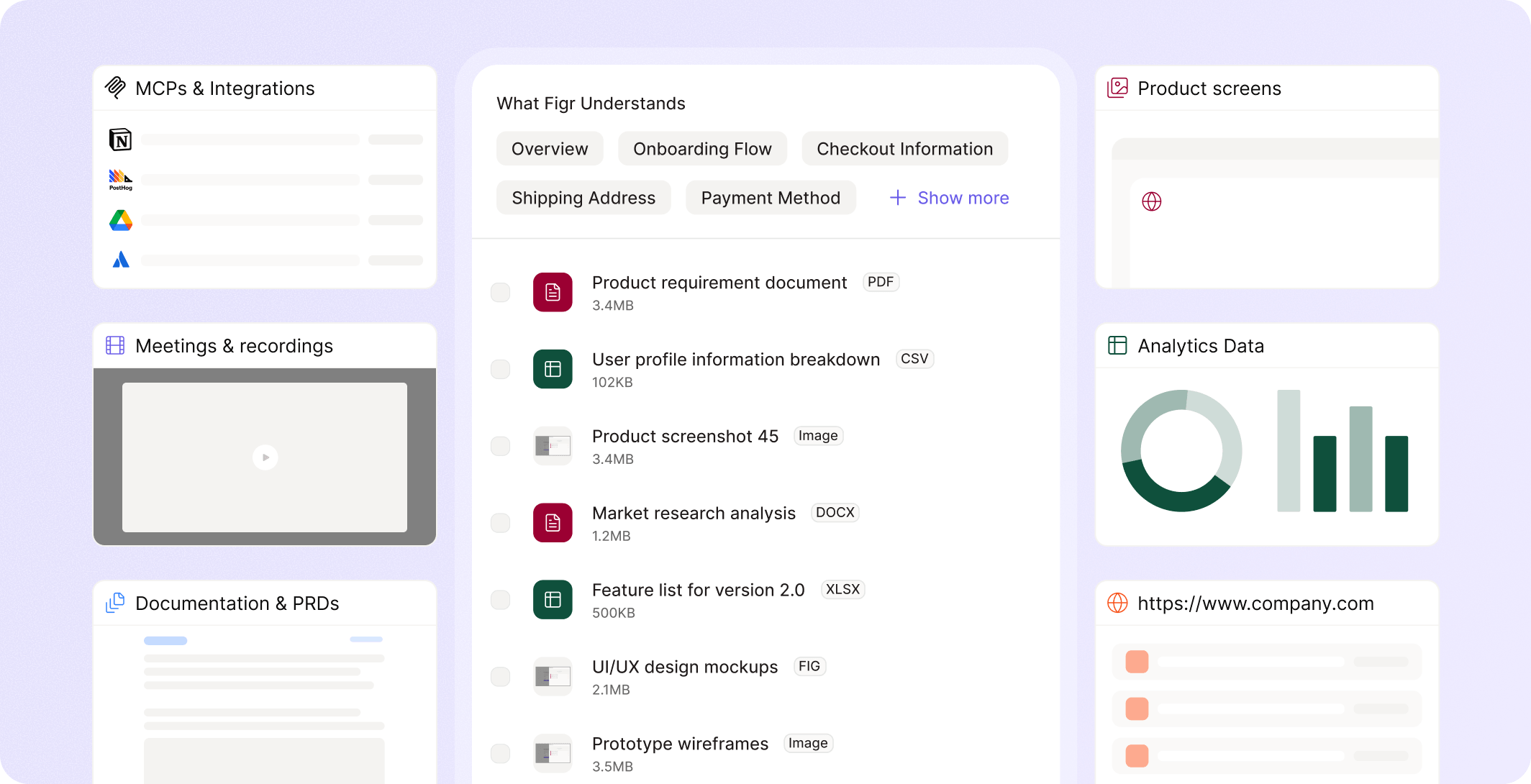
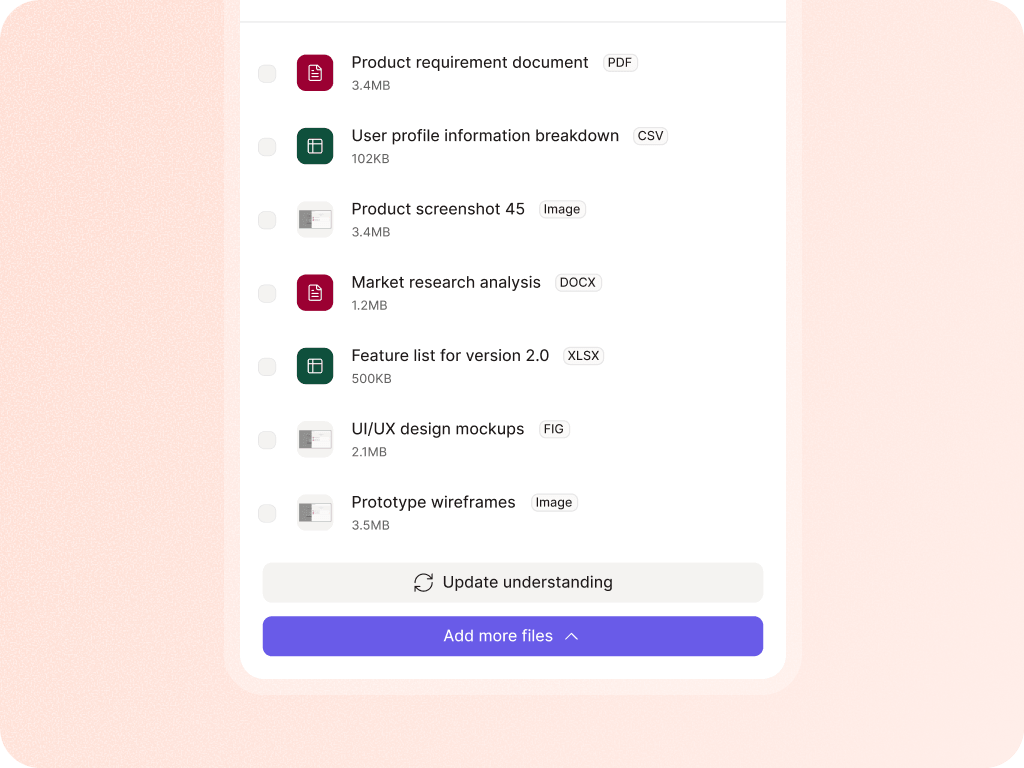
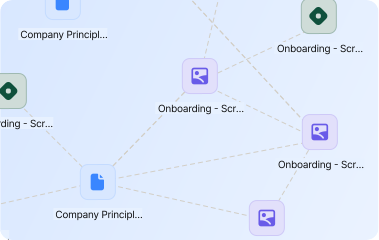
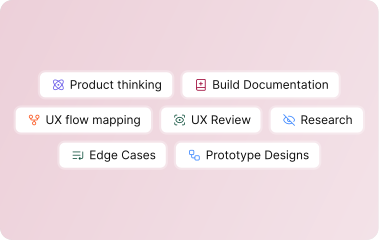
Every product team has context. The problem is that it lives everywhere.Context Pod helps Figr learn from your PRDs, research, docs, analytics, product walkthroughs, screens, and design decisions, then reuse that knowledge when your team asks UX questions or creates new product artifacts.


















A researcher learns why users struggle with setup.
A PM documents the requirement.
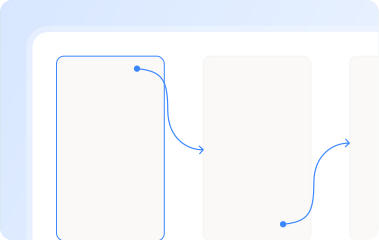
A designer maps the flow.
A product leader explains the tradeoff.
A customer call reveals the real objection.
Six weeks later, the team starts a related feature and repeats the same discovery.
This is the context tax.


Context Pod gives Figr a place to collect and reuse the product knowledge that normally gets trapped in documents, meetings, and individual memory.

PRDs, specs, change guidelines, launch notes, strategy docs, and acceptance criteria.

Interview notes, workshop output, call transcripts, support themes, survey findings, and usability observations.
%201.svg)
Screen recordings, live walkthroughs, voiceover explanations, and product behavior captured while someone uses the product.

Screenshots, Figma files, product screens, design-system references, flows, diagrams, and past design decisions.

Analytics exports, funnel notes, product behavior signals, dashboards, CSVs, and supporting evidence where available.
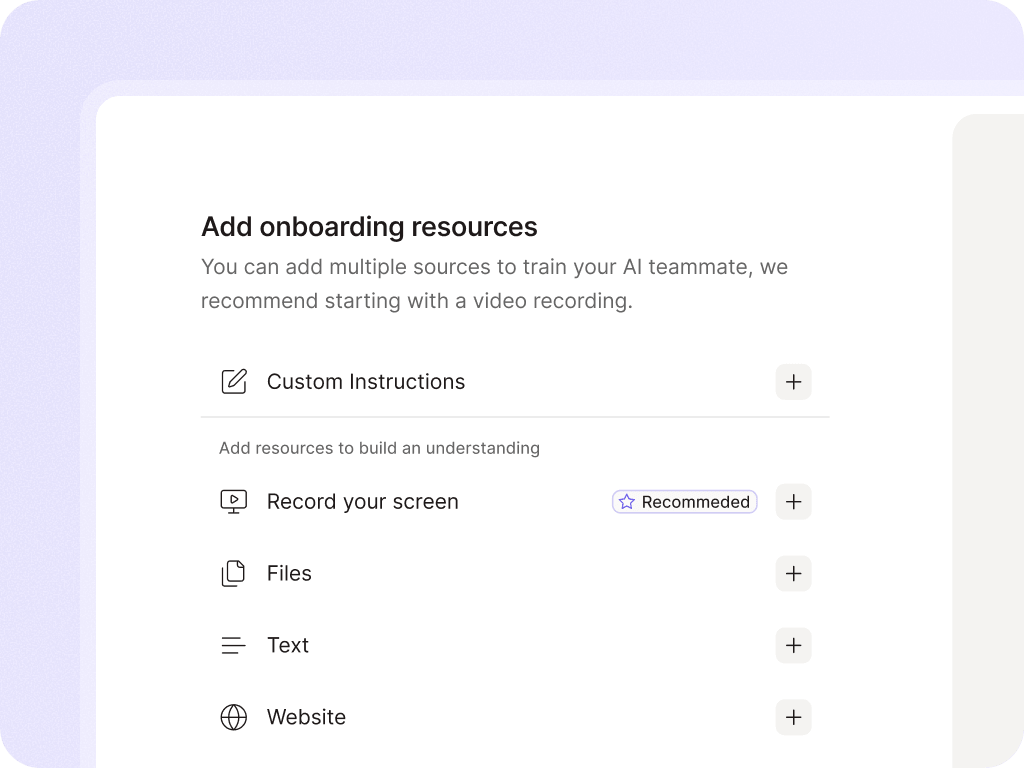
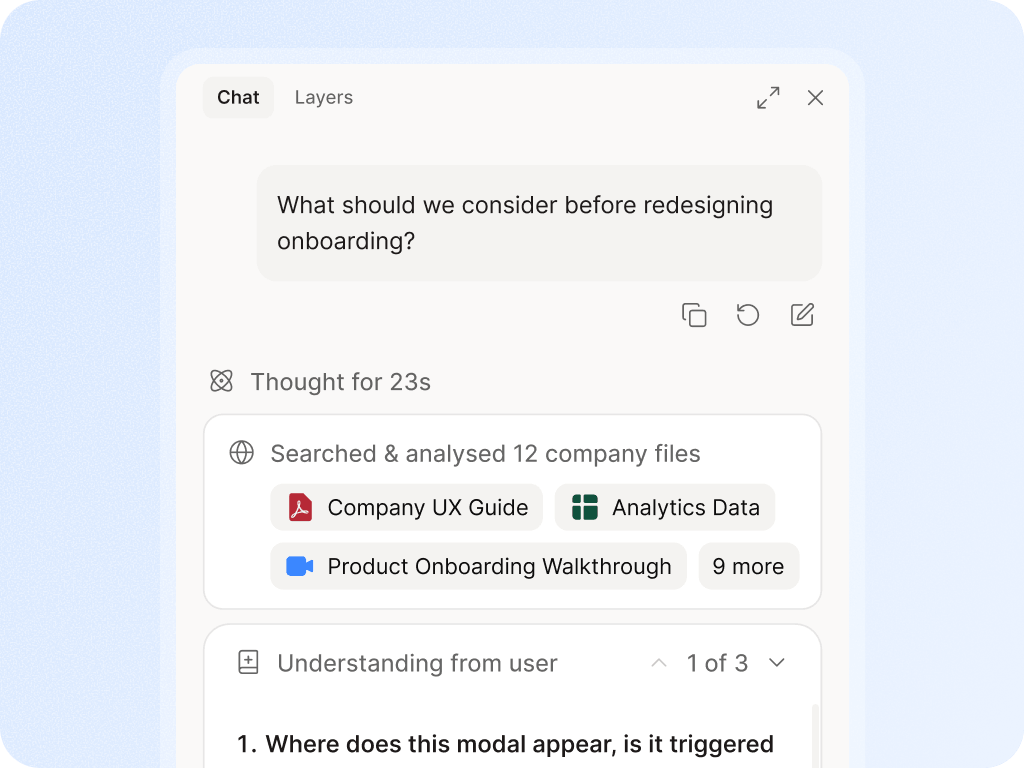
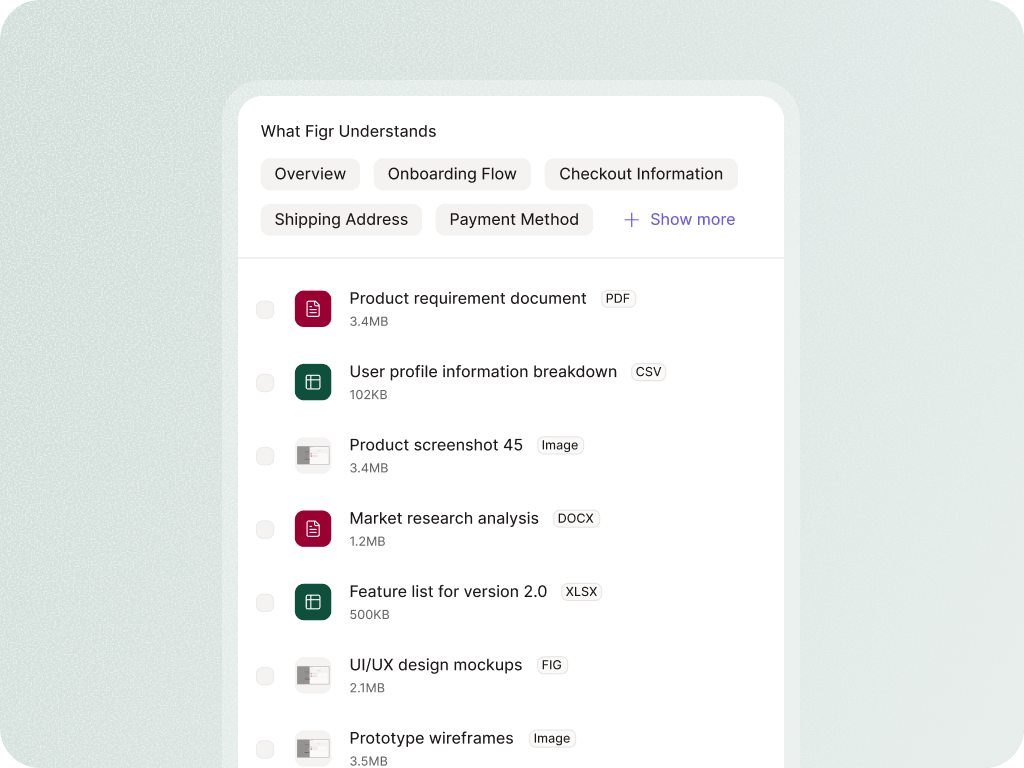

Add your product knowledge to Context Pod and give Figr the context it needs to help your team reason, design, and align faster.


No. The public story should frame Context Pod as usable product memory. It helps Figr reason with the documents, walkthroughs, screens, and decisions teams add.
Use current product-supported language, but common examples include PRDs, docs, research notes, recordings, screenshots, analytics files, and product walkthroughs.
Product teams with scattered context: PMs, designers, researchers, product leaders, and teams working on complex existing products.