
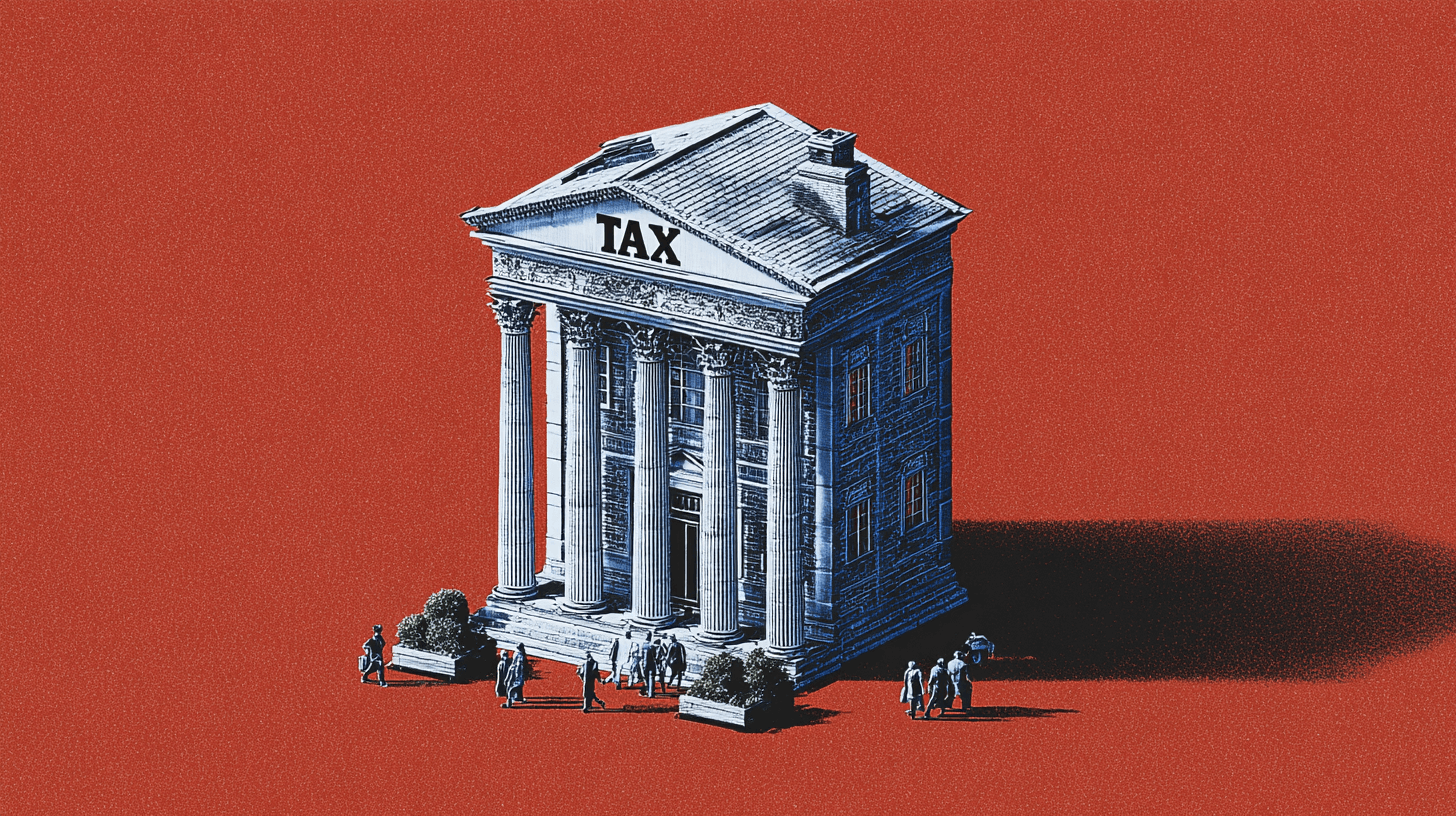
A prototype is a promise - this is what we will build. It signals that you’ve thought the product through, and that people can trust your understanding.
So what happens when that promise looks like it was made by a stranger?
You’re the PM for a fintech product. Your VP wants to see the budget forecasting feature by Thursday. You open an AI prototyping tool at 9 AM, paste your PRD, and watch it generate something in seconds.
A dashboard appears: line chart, input fields, a purple gradient, system font, and a button labeled “Save.”
It looks like a prototype. It does not look like your product.
And that’s where the cost begins. Half of Thursday’s meeting gets spent on styling debates instead of concept validation:
- “Is this our font?”
- “The spacing looks off.”
- “Our buttons don’t look like this.”
The feature gets approved in principle, but with a familiar footnote: “Design will need to clean it up.”
You just paid the Generic Output Tax. And you’ll pay it again next week. And the week after.
The Tax Has a Name
Last quarter, I sat with a PM who tracked her time across three sprints. The number that stopped us both: 58%.
That was the share of her AI prototyping time spent fixing outputs rather than creating them. Not iterating. Not improving. Fixing.
The fixes weren’t dramatic:
- adjusting margins to match the product,
- replacing placeholder copy that made no contextual sense,
- removing components that contradicted the design system she’d already described multiple times.
Each fix was small. Together, they became hours every week.
A 2023 report on generative AI productivity found professionals spend an average of 40% of their “saved time” on rework and quality corrections. The headline said AI saves time. The reality is more nuanced: savings leak back out through holes nobody measures.
That’s what I mean by hidden costs. They show up as:
- delayed launches,
- designer frustration when asked to “just clean this up,”
- stakeholder reviews that spiral into typography debates instead of strategy discussions.
The Three Taxes
.png)
The Fixing Tax
Ask a generic AI for a checkout flow. You get the usual screens, cart, shipping, payment, confirmation, but they look like a template, not your product.
Your spacing is different. Your typography is different. Your buttons are different.
So you spend hours making them match your product, hours that should have gone to product thinking.
The Context Tax
Every handoff between tools is a memory wipe.
You brainstorm in one AI and build in another, and the context doesn’t survive the transition. You re-explain, re-describe, re-specify, because each tool interprets the same inputs differently.
The Credibility Tax
When stakeholders see generic outputs, they quietly wonder if you understand the product.
It’s subtle, but unmistakable: the raised eyebrow, the approval-with-caveats, the “looks good, but let’s get design to clean it up.”
That credibility tax compounds into longer approval cycles, less autonomy, and more required designer involvement.
The Math Nobody Does
Let’s quantify it.
- PM salary: $140K, roughly $70/hour fully loaded
- Weekly time prototyping: 8 hours
- Fixing share: 58%
- Time lost to the tax: about 4.6 hours/week
Per year: $16,744 per PM.
Three PMs: nearly $50,000 annually fixing outputs that should have been right initially.
And that excludes:
- designer hours redoing PM prototypes,
- engineering time spent on features that failed validation because prototypes couldn’t be tested properly,
- opportunity cost of features not shipped because everyone was busy fixing.
What Actually Fixes This
Instead of describing your product, show it.
Parse it via a Chrome extension: https://www.youtube.com/watch?v=8VP-Yb4kWy4. Figr captures actual values:
- typography in exact font families and sizes,
- spacing in pixels,
- colors in hex codes,
- components as they actually appear.
Generation happens after understanding.
That changes everything: the prototype uses your patterns because it knows your patterns.
The Gmail AI draft uses Gmail’s exact patterns, not because someone manually specified “Gmail blue at #4285F4,” but because Figr parsed Gmail first.
→ See the Gmail prototype, zero styling conflicts: https://app.figr.design/artifacts/8d169f5c-044e-4a60-929e-9ae0107f3b23

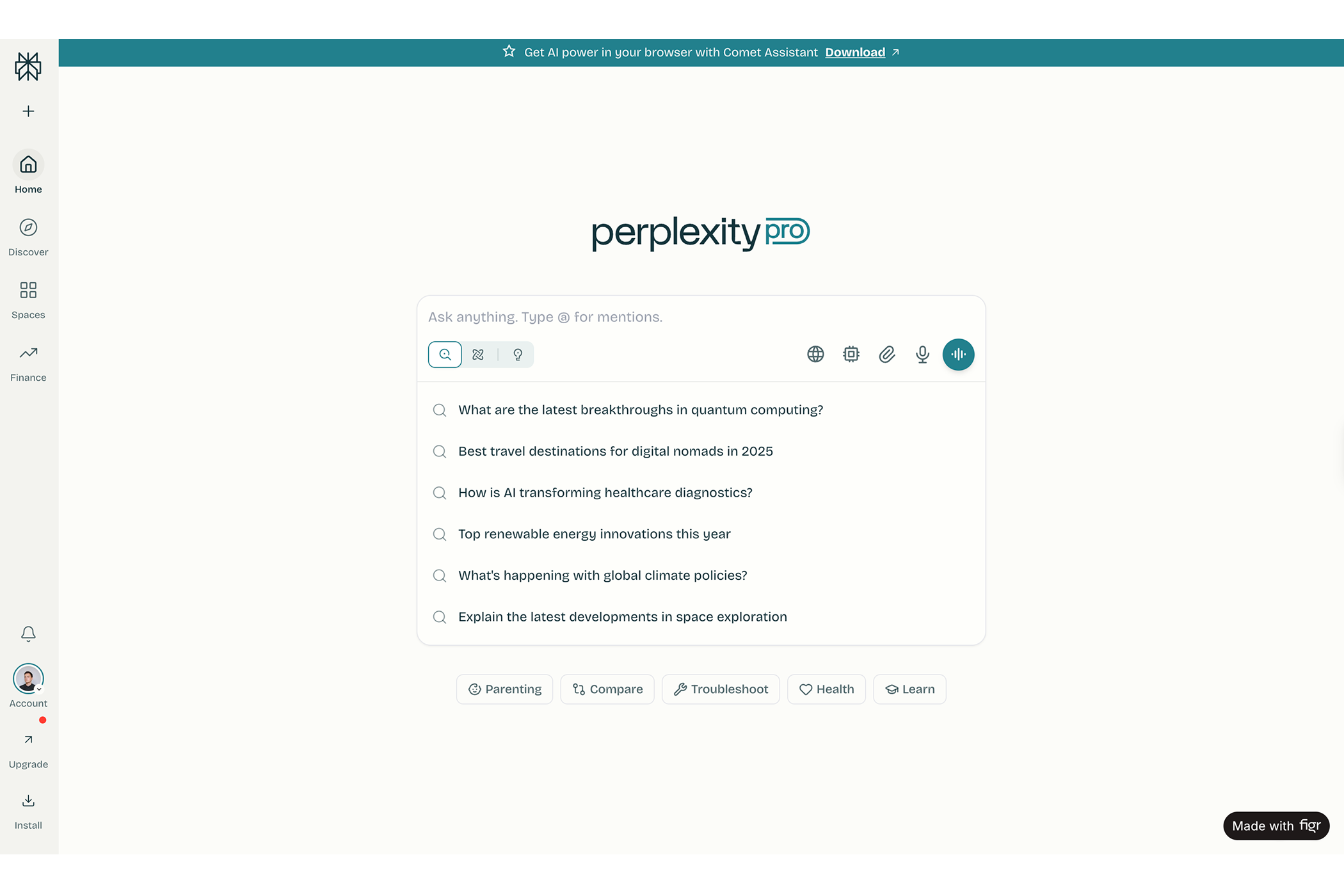
The Perplexity source freshness feature integrates seamlessly because Figr understood Perplexity’s styling before generating.
→ See Perplexity freshness tags, integrated without adjustment: https://app.figr.design/artifacts/a197e7f3-dea1-47a4-a7fb-dc3fa19fa353
The Basic Gist
Generic outputs require fixing because they lack context.
Outputs that understand your product don’t require fixing because they already speak your language.
The tax is real. The fixing time is quantifiable. The credibility erosion is felt even when it isn’t named.
In Short
The Generic Output Tax is optional.
You just have to stop paying it.
→ Load your product into Figr, stop paying the tax: https://app.figr.design/
Continue reading: