
Every Monday morning, the same ritual unfolds. (Sound familiar? Yes, it is that same ritual.) Open an AI tool. Paste context about your product. Explain what you are building. Describe the users. Specify the constraints.
By Wednesday, do it again for a different feature. By Friday, again. Each session begins at zero. (Why does it feel like starting over? Because it is.)
I used to spend the first ten minutes of every AI session re-establishing context. The product overview. The target users. The decisions we already made. The same paragraphs, pasted again and again. (Could the tool skip the recap? That is the point.)
What if the tool already knew? (Knew what, exactly? Your product context, your decisions, your flows.)
The Cost of Amnesia
There is a hidden tax embedded in every AI tool that forgets. Measured in minutes, in cognitive load, in the friction of re-establishing context that should never have been lost. (Is it really a tax? In minutes and cognitive load, yes.)
A PM at a large enterprise described her workflow: "I paste the same three paragraphs into everything. Product overview. Target users. Design constraints. Every single time."
Gloria Mark's research at UC Irvine (cited in Harvard Business Review) found context re-establishment takes an average of 23 minutes after each interruption. (Is that number the whole point? No, the reset cost is.) Using multiple AI tools that share no context creates the same cognitive tax as constant interruption. (Does it feel like interruption? In practice, yes.)
This is what I mean by the cost of amnesia. It is not just the time spent pasting. It is the mental burden of holding context in your head that the tool should hold for you. (What should the tool hold? The context you keep retyping.)
The Three Layers of Memory
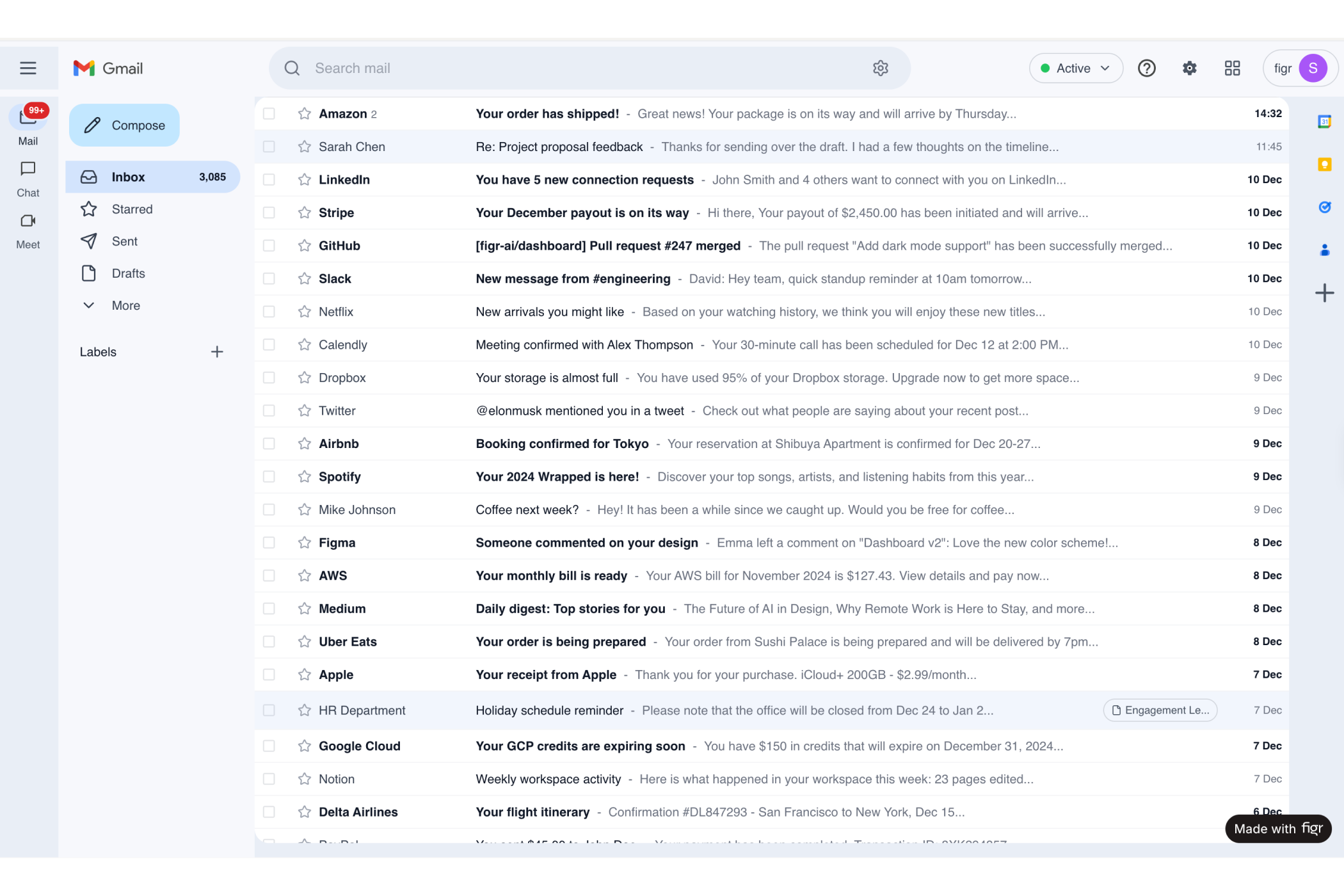
Layer 1: Design System Memory. When your product is parsed, every future output respects it. Typography. Spacing. Colors. Components. Not because you describe them each time. Because they are remembered. (Do you have to restate typography and spacing? No, because they are remembered.)
→ See how Gmail's visual language was captured and applied
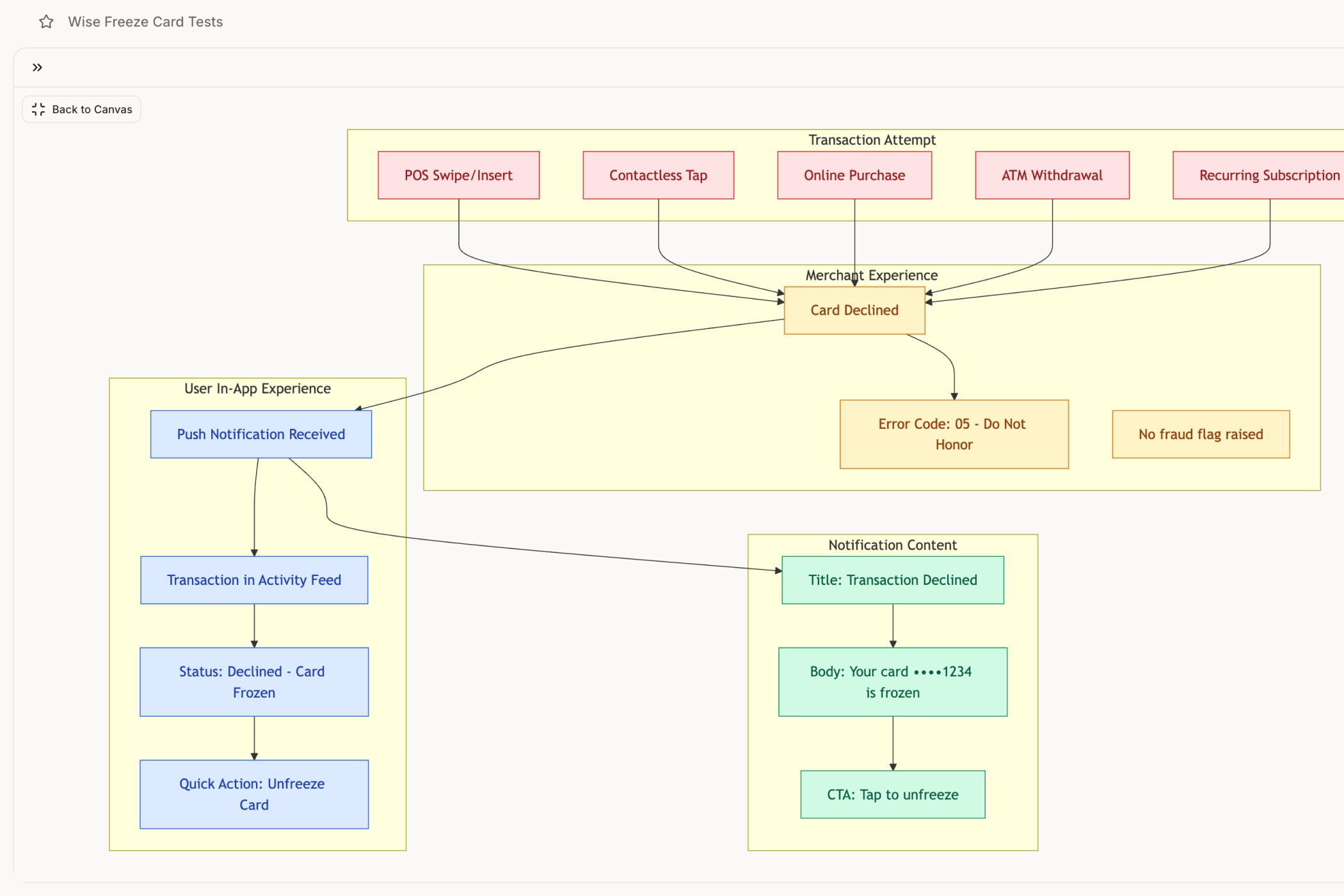
Layer 2: Decision Memory. Should the sidebar expand or collapse? Should error messages appear inline or as modals? These decisions get made during design sessions. Most tools forget them. Memory preserves the reasoning. (Is the reasoning the part that disappears? Yes.)
→ See the Wise card freeze decisions preserved
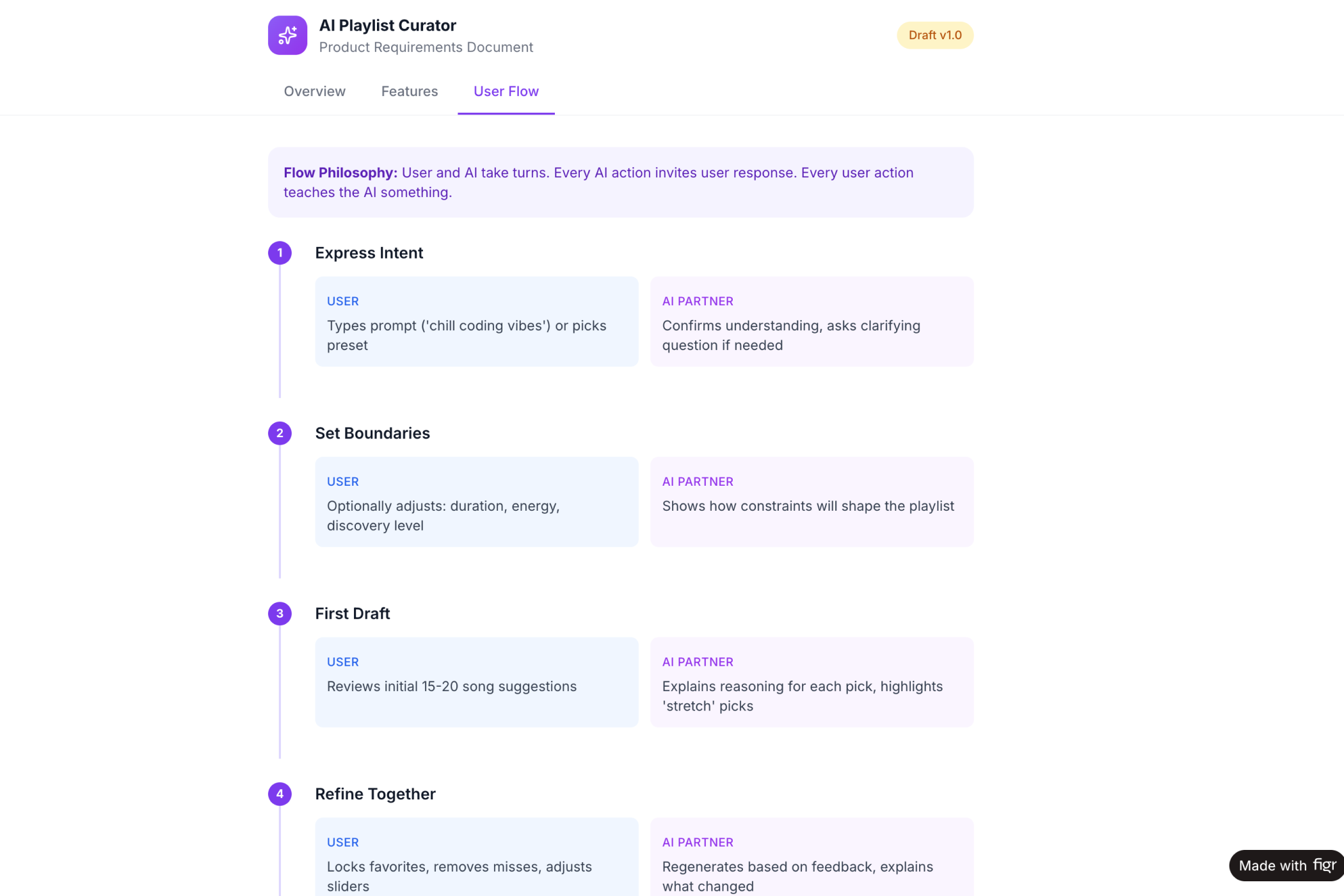
Layer 3: Flow Memory. User journeys have continuity. When you design checkout in one session and payment error handling in another, those sessions should connect. (Should connect how? As one continuous flow.)
→ See the Shopify checkout flow memory
Why Memory Compounds
Memory does not just save time. Memory builds value.
Every session adds to understanding. Every decision documented becomes institutional knowledge. Every pattern learned becomes applicable to future features.
A PM who has used memory-enabled AI for six months has a tool that deeply understands their product. A PM who starts fresh every session never gets beyond surface understanding.
When new team members join, onboarding transforms. Why did we design the settings page this way? What alternatives did we consider? The answers exist.
The Institutional Knowledge Problem
Product teams hemorrhage institutional knowledge constantly. A senior PM leaves. A lead designer changes companies. The reasoning behind critical decisions walks out with them. (Is it the reasoning that walks out? Yes.)
Memory changes the economics. Instead of requiring separate documentation, memory captures reasoning as decisions happen. (Do you still need separate docs for the basics? Less, because the capture happens as decisions happen.)
The basic gist is this: product decisions compound. Memory ensures they are not relitigated without cause. (Without cause meaning what? Without new information that truly warrants it.)
In Short
The Monday ritual of pasting context is not inevitable. It is a limitation of current tools. (So what is the real limitation? Tools that forget.)
Memory changes the relationship between PMs and AI. Instead of instructing, you collaborate. Instead of starting over, you continue. (Is that the shift? Yes, from instructing to collaborating.)
→ Try Figr, see what memory changes